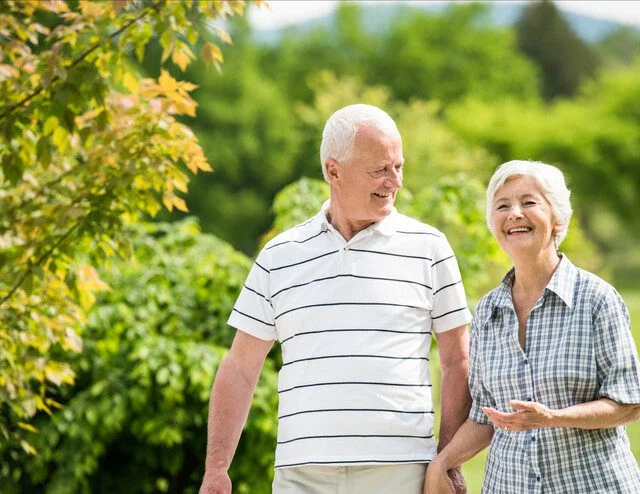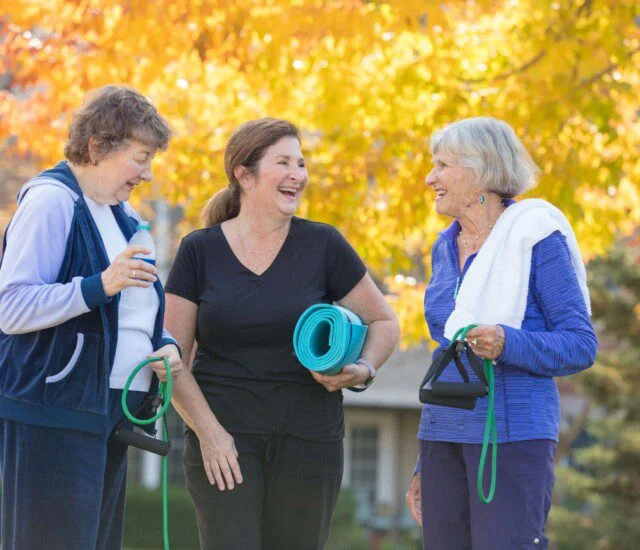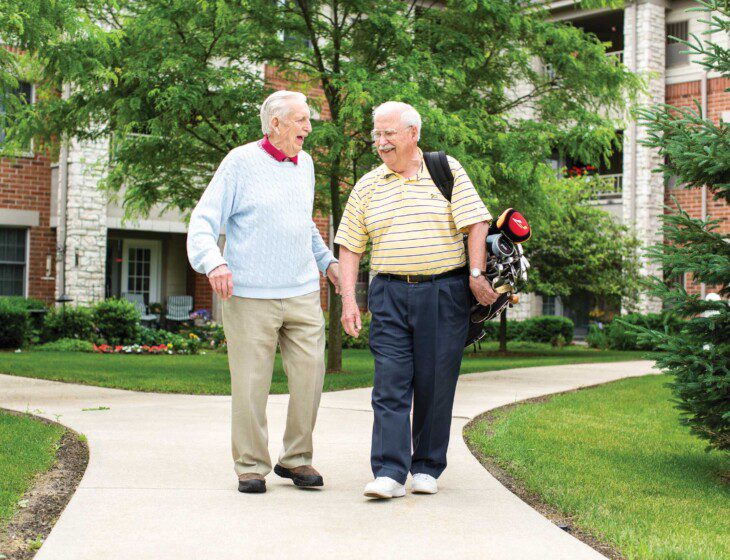
Freed from the structure of a professional schedule, many people rediscover interests that once took a back seat—travel, creative pursuits, learning opportunities, and time with friends. As priorities shift, the surrounding environment begins to matter more. Access to wellness spaces, dining venues, and engaging programs can make it easier to stay active and socially involved.
Senior living communities designed with thoughtful amenities help support this transition. Fitness centers, gathering spaces, studios, and dining venues allow residents to pursue personal interests without the ongoing responsibilities of maintaining a traditional home.
At Newcastle Place in Mequon, Wisconsin, these amenities are integrated throughout a wooded 52-acre setting. Residents enjoy opportunities for movement, conversation, and continued learning within a community that supports both independence and long-term stability.
Key Takeaways
- Senior living amenities contribute to physical health, intellectual engagement, and social connection.
- Accessible wellness spaces and gathering areas help residents maintain active routines.
- At Newcastle Place, amenities throughout the community create opportunities for activity, learning, and shared experiences.
What Senior Living Amenities Add to Everyday Living
Senior living amenities refer to the shared spaces, services, and experiences available within a community that influence how residents spend their time.
In independent living settings, these amenities support more than convenience. They help create a lifestyle where wellness, social engagement, and intellectual curiosity remain integrated into daily routines.
Instead of planning activities across town, residents can attend a fitness class, meet friends for lunch, participate in a lecture, or pursue creative interests just steps from their residence. This accessibility encourages consistency—an important factor in maintaining long-term health and engagement.
Amenities Commonly Found in Independent Living Communities
Independent living communities typically offer a mix of wellness resources, hospitality services, and shared spaces designed to simplify daily life.
Examples often include:
Wellness & Fitness Opportunities
- Fitness centers with strength and cardio equipment
- Aquatic exercise programs and swimming pools
- Outdoor walking paths and landscaped grounds
Dining Experiences
- Chef-prepared meals
- Multiple dining venues with varied atmospheres
- Casual cafés and lounges for informal gatherings
Creative & Cultural Amenities
- Art studios and craft workshops
- Educational lectures and lifelong learning programs
- Spaces for music, performances, or cultural events
Community Gathering Areas
- Libraries and reading lounges
- Game rooms and activity spaces
- Auditoriums for presentations and events
Hospitality Services
- Housekeeping and maintenance services
- Transportation for local appointments and outings
- Guest accommodations for visiting friends and family
How Community Design Supports Long-Term Well-Being
One of the most noticeable changes people experience after moving into a senior living community is how their time becomes more flexible.
Daily responsibilities such as yardwork, repairs, and ongoing home maintenance no longer occupy the same attention. Instead, residents have more opportunities to focus on the activities and relationships that matter most to them.
Amenities play a central role in this transition. When fitness centers, dining spaces, and social venues are easily accessible, residents are more likely to participate in activities that encourage physical health, intellectual engagement, and social connection.
Over time, these everyday experiences help create a lifestyle that supports both independence and well-being.
Wellness and Dining Amenities That Encourage Active Living
Healthy aging often depends on consistency rather than dramatic lifestyle changes. Opportunities for regular movement, balanced nutrition, and shared meals help support both physical health and overall well-being.
The National Institute on Aging highlights the importance of regular physical activity—including strength training, balance exercises, and aerobic movement—for maintaining mobility and reducing fall risk. Communities that provide nearby fitness facilities, aquatic exercise, and walking paths make these habits easier to maintain.
Dining environments can influence wellness in similar ways. When chef-prepared meals are available within the community, residents can enjoy balanced cuisine without the time and effort required for shopping, cooking, or cleaning.
Wellness & Dining at Newcastle Place
Newcastle Place offers a range of amenities designed to support active aging and shared dining experiences. Residents have access to:
- A fitness center for strength training and spaces for group exercise classes
- An indoor heated pool and hot tub supporting aquatic exercise and low-impact conditioning
- Walking paths, landscaped courtyards, and resident gardens encourage time outdoors
- Several dining venues—including Skylight, Royal Oak Room, and Castle Café, along with the Blue Heron Lounge—where residents enjoy chef-prepared meals and relaxed conversation
These amenities allow residents to incorporate movement, balanced meals, and social interaction into daily routines.
Spaces That Encourage Connection
Social interaction remains closely linked with long-term well-being. Studies examining aging and social engagement consistently associate active social environments with stronger cognitive health and higher life satisfaction.
In senior living communities, shared activities often create natural opportunities for residents to spend time together. Lectures, club meetings, performances, and informal gatherings bring neighbors together around common interests.
Social Life at Newcastle Place
Newcastle Place offers a range of gathering spaces where residents can spend time together and participate in community activities, including:
- Billiards rooms and game spaces for casual recreation
- A library and comfortable lounges for reading and conversation
- Outdoor gathering spaces and patios
- Numerous resident-led activities and community programs that bring neighbors together
These spaces encourage a sense of connection that develops naturally as residents participate in community life.
Creative Interests and Lifelong Learning
Curiosity and creativity continue to play an important role in cognitive engagement later in life.
Research on cognitive reserve suggests that mentally stimulating activities—including creative work, discussion groups, and educational programs—help support long-term brain health.
Communities that provide dedicated studios and learning opportunities allow residents to revisit long-standing interests while exploring new ones.
Creative Amenities at Newcastle Place
Newcastle Place provides several amenities designed to encourage creativity and learning, including:
- An art studio for painting, drawing, and creative projects
- Educational programs, lectures, and social gatherings that inspire curiosity and exploration
These opportunities allow residents to pursue new interests while sharing their experiences with neighbors.
Experience Life at Newcastle Place
The benefits of community living often appear in the small details of daily life.
A morning workout in the fitness center.
Lunch shared with friends in the dining room.
An afternoon spent exploring a creative project or joining a community event.
At Newcastle Place, thoughtfully designed amenities create an environment where residents can remain active, connected, and engaged while enjoying the flexibility of independent living.
Schedule a visit to Newcastle Place and experience a community where each day offers new opportunities to stay active and involved.