A Thought That Arrives Quietly
There’s usually a moment.
It might be the third time you’ve called a plumber in a year. Or an evening when the house feels a little too quiet. Maybe it’s something a friend says that lingers longer than expected.
For most people, the decision to explore a Life Plan Community—also known as a Continuing Care Retirement Community (CCRC)—doesn’t arrive all at once. It comes in pieces, quietly, over time.
For Newcastle Place resident Connie Pukaite, it began shortly before her 75th birthday.
She and her late husband, Cliff, had watched their parents delay big decisions until they had fewer choices. Connie didn’t want that.
With no children and Cliff gone, she found herself living in a home on 2.5 acres that she barely used. Entire sections sat dark. And she couldn’t shake one thought: if something happened to her, others would have to step in and untangle it all.
The Moment That Made It Real
The realization sharpened one day as she carried a 40-pound bag of water softener salt down the basement stairs.
“I was 75, strong, capable and upright,” she said. “But it dawned on me that if I fell… no one would find me for days.”
That moment didn’t signal weakness. It clarified risk.
“What I did by deciding to go to Newcastle was to eliminate problems for my heirs and give myself more freedom than I can ever remember having previously.”
Many residents describe a similar turning point—and a similar hindsight: they wish they had acted sooner.
Life After the Move
Adjusting wasn’t instantaneous—but it also wasn’t isolating.
Within days of moving in, a neighbor brought dinner. Another invited her to meet people in the dining room.
“It didn’t feel like an intrusion,” she said. “And I didn’t feel alone.”
What changed most wasn’t just her surroundings—it was how she spent her energy.
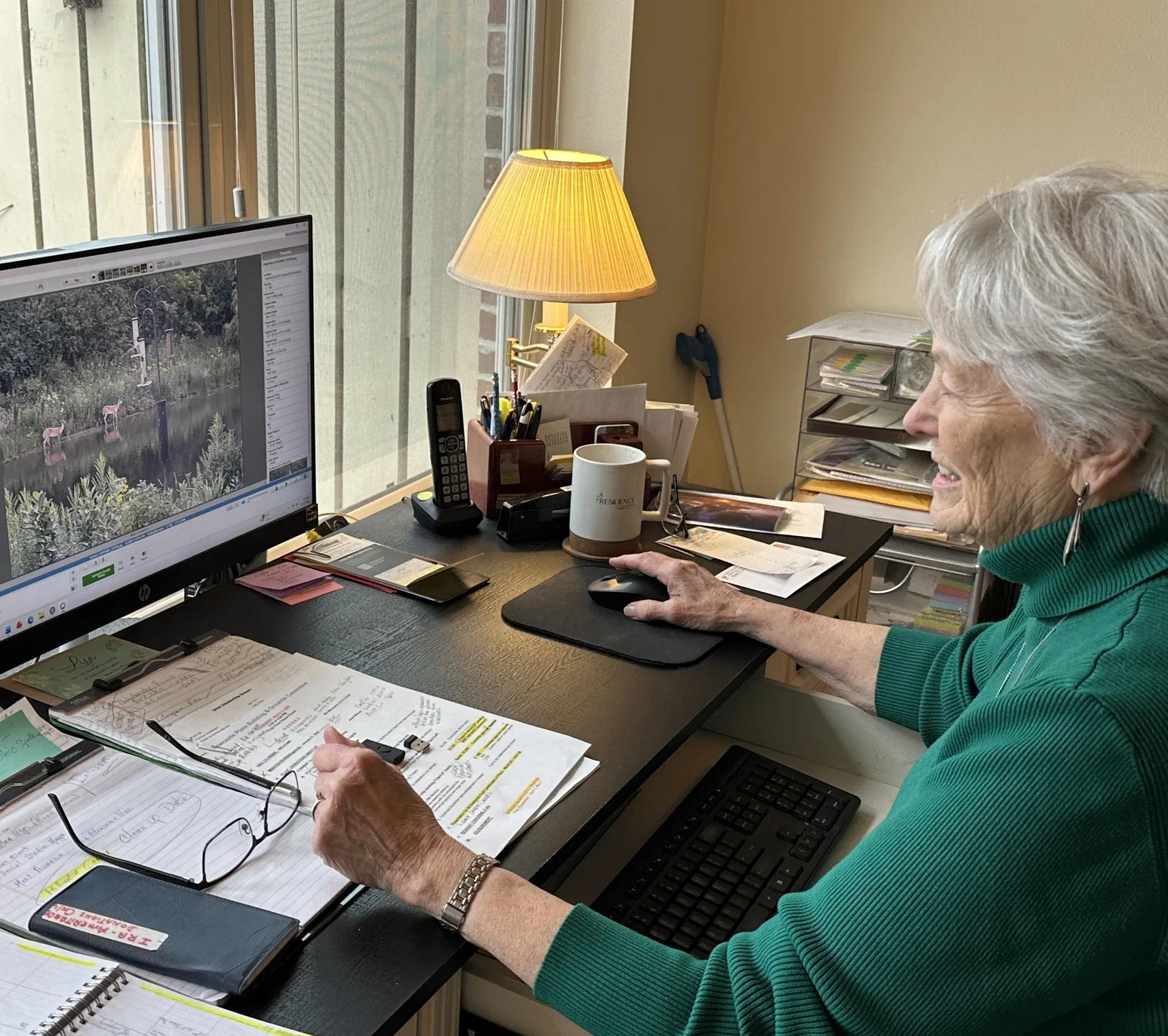
Freed from the constant demands of homeownership, Pukaite didn’t slow down. If anything, she became more focused.
Her commitment to public service—shaped over decades, including six years as Mequon’s mayor and earlier work helping develop protections for people with disabilities across Wisconsin—didn’t end when she moved. It evolved.
Today, she remains deeply engaged in environmental efforts, supporting Mequon’s park system, preserving wetlands and woodlands, and volunteering with organizations that meet critical human needs.
“I don’t have to worry about residential upkeep,” she said. “I have time to do what matters.”
The move didn’t mark a step back. It created space for her to continue contributing— on her terms, and with intention.
Rethinking Independence
One of the most common objections to moving into a retirement community is the fear of losing independence.
Pukaite sees it differently.
“You’re not truly independent when everything depends on you,” she said.
Unexpected repairs, scheduling services, managing a home alone—those demands don’t disappear with age. They compound.
In her view, independence isn’t about doing everything yourself. It’s about having the freedom to choose how you spend your time—and when to ask for support.
“Living in a community like this took nothing away from me,” she said. “I gained freedom.”
Knowing When the Time Is Right
So when is the right time?
There’s no universal answer. But there are signals:
- When your home feels larger than your life
- When maintenance feels like a burden, not a routine
- When you begin planning for “what if” scenarios more often
- When you want more connection, not just more space
The mistake, Pukaite suggests, is waiting for certainty.
“We never know in advance when a change will occur,” she said. “If you wait until you have to decide, you may not have many options left.”
Finding Community Before You Need It
For Pukaite, one priority stood out.
“I wanted to know my neighbors before I became less interesting,” she said.
That meant building relationships early—while she could fully participate in them.
Today, that community provides both flexibility and support. She can socialize when she wants, or keep to herself when she doesn’t. And she knows that if her needs change, she won’t have to leave.
“That peace of mind,” she said, “is hard to overstate.”
Prepared for the Unexpected
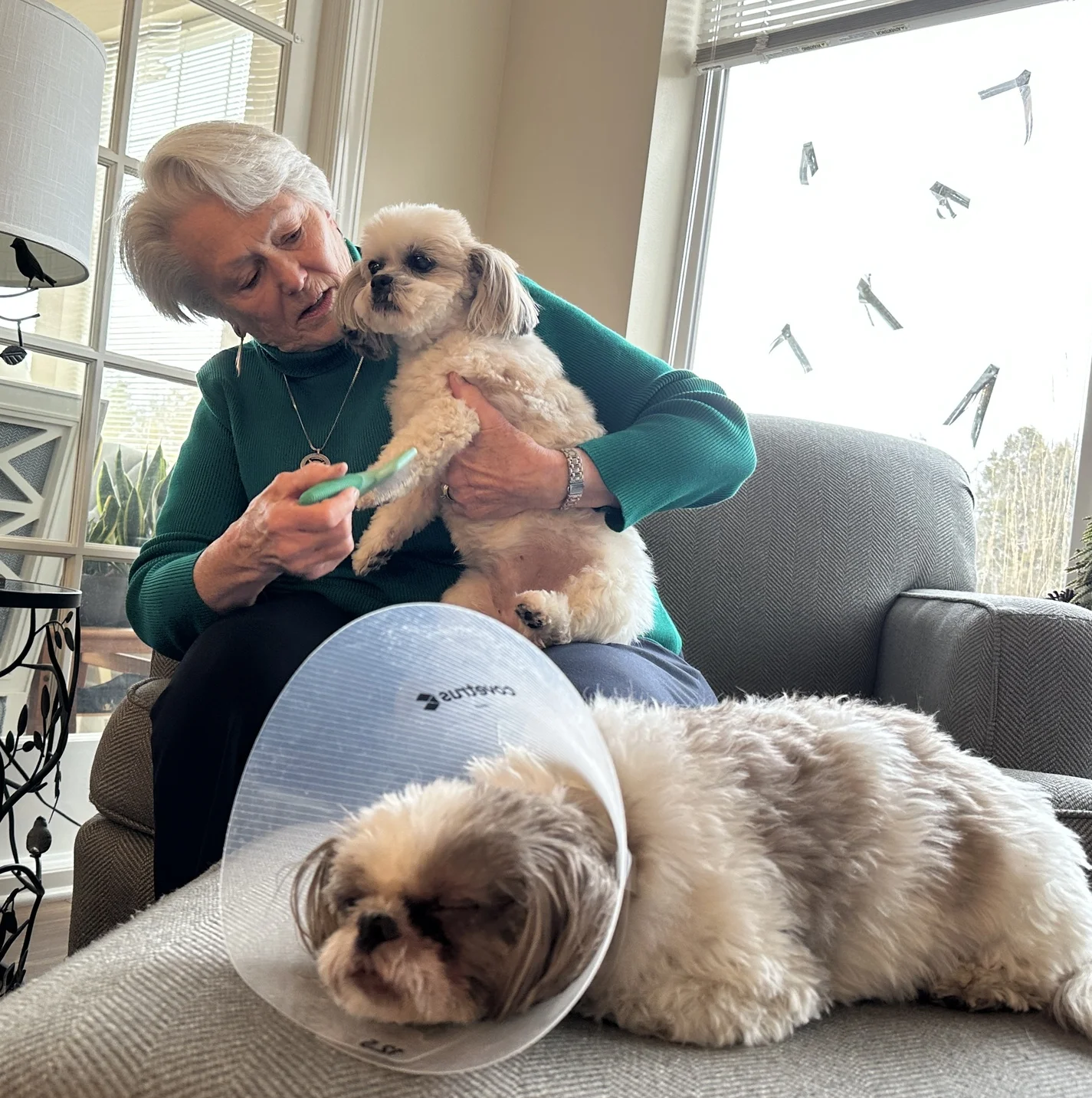
She still tends a small garden. Walks her dogs around the beautiful Newcastle campus. Watches birds outside her window. Fills her days with purpose.
But underneath it all is something less visible—and more important.
She knows she’s prepared.
Not because something has gone wrong.
But because she chose not to wait until it did.